Hotshot Trailer Dimensions & Shipping Guide
Fast. Flexible. Cost-Effective.
Hotshot Trailer Specifications & Guide
Hotshot Flatbed
💡 Pro Tip: Not all hotshot trailers have air-ride suspension. If you’re moving machinery or sensitive equipment, confirm air-ride with the carrier to prevent vibration-related damage.
Quick Specs
Deck Length:
30-40′ L
Deck Width
~98″-102″ W
Deck Height:
~36″-40″ H
Weight Capacity:
~12,000 – 18,000lbs
Use Case:
Commonly used for fast deliveries of machinery parts, palletized materials, small equipment, and time-sensitive freight that needs direct service.
Examples of Our Hotshot Shipments
A look at how we’ve moved flatbed loads recently
Get A Hotshot Freight Quote
Skip the phone tag. Tell us what you’re shipping and where it’s going, and we’ll build you a custom all-in quote, and message you back promptly.
Where are we shipping?
What are we moving?
Equipment Needed?
Contact Information
SSL Secure
No Obligation
24 Hr Response
What Hotshot Trailers Haul Best
If it’s tall, heavy, self-propelled, or has a high center of gravity, an RGN/lowboy is usually the safest and most compliant choice.
- Machinery parts and replacement equipment
- Generators, palletized freight, crates
- Small machines, shop tools, fabrication skids
- Vehicles, ATVs, Sprinter vans, farm equipment
- Construction materials, pipes, lumber
- Oilfield and energy supplies
Ideal Industries: Manufacturing, Energy, Mining, Infrastructure and Construction
Navigating Height Regulations
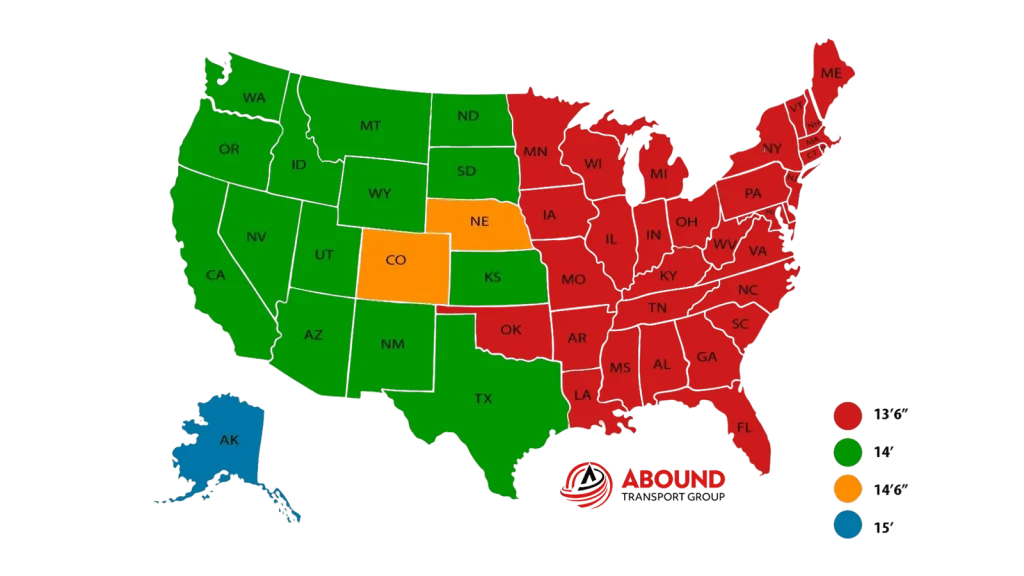
A standard flatbed allows for 8’6″ of cargo height, but legal height limits vary by state. Western states often permit a total height of up to 14 feet, while many eastern states cap it at 13’6″. This means a load that is legal on a flatbed in California may require an overheight permit, or a different trailer such as a step deck, to travel to states like New York.
Our team uses this state-by-state data to plan the most efficient and compliant route for your freight.
Brief History of the Hotshot Trailer
Hotshot hauling began in the Texas oilfields, where small and fast trucks delivered critical parts and tools to drilling sites to prevent costly downtime. Instead of waiting for a full-size semi or standard freight scheduling, companies used pickup trucks pulling gooseneck trailers to move equipment directly, quickly, and without delay. Over time, this practice expanded into a nationwide form of expedited open-deck transport. Modern hotshot operators use CDL-class trucks, air-ride gooseneck or low-deck trailers, and professional securement equipment, providing speed, flexibility, and direct routing that traditional trucking cannot always match.

Equipment & Load Securement
Proper securement ensures safety, compliance, and protection for your freight. All carriers follow FMCSA 393.100 cargo securement regulations. Common Securement Tools:
Chains & Binders
for machinery, steel, and heavy freight
Straps & Edge Protectors
for finished goods and delicate cargo
Tarps
to shield against weather and road debris
Dunnage & Blocking
for balance and elevation
Our team provides guidance on securement requirements based on your freight type and route.
Explore Shipping Solutions by State
Click on a state below to view specific freight services for each state.
From Our Blog
Insights on Shipping, Trailer Types, and Logistics Trends
Hotshot FAQs
Typically up to 16,000–20,000 lbs depending on the trailer, axles, and truck. We’ll confirm exact capacity per load.
If your load exceeds 8’6” width or 13’6” height, we’ll secure the necessary oversize permits.
Yes. Many hotshot units can be dispatched within hours for urgent shipments.
For smaller loads and shorter lanes, yes—you only pay for the capacity you use.
Yes, via the ATGFr8 portal with real-time GPS updates.